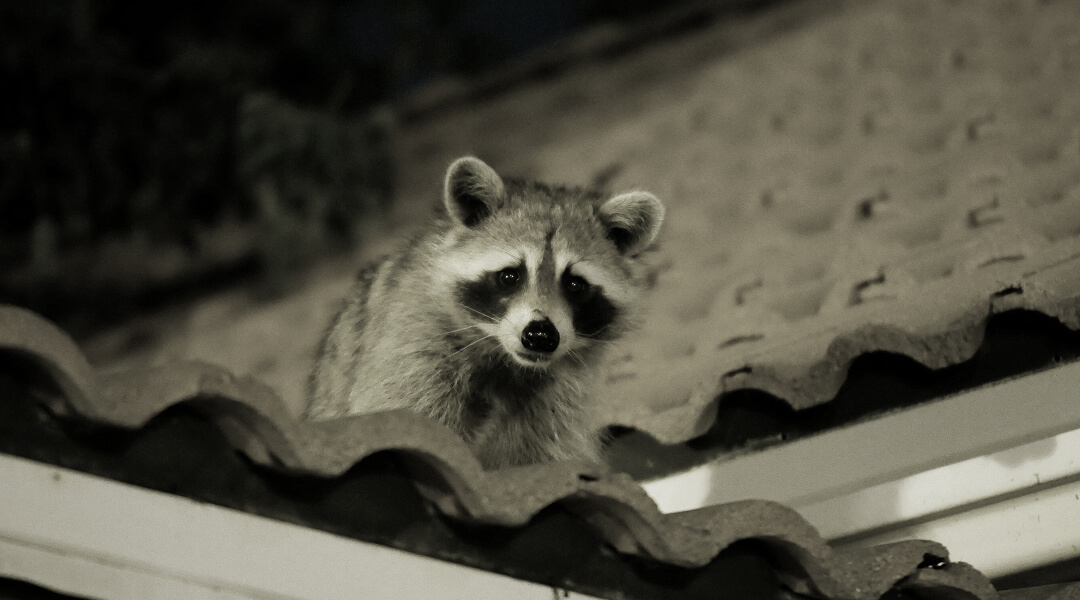
Raccoons are highly intelligent, adaptable mammals that thrive in urban and suburban environments across Quebec. Homeowners in Montreal, Laval, and surrounding areas often struggle to protect their property once raccoons identify it as a safe source of shelter or food. Understanding how to keep a raccoon away from your house requires more than basic deterrents—it demands knowledge of raccoon behaviour, entry points, and humane wildlife control practices.
Why raccoons target residential properties
Raccoons are opportunistic omnivores with an exceptional sense of smell and problem-solving skills. They are drawn to homes that offer:
- Easy access to food (garbage bins, compost, pet food)
- Warm, quiet shelter (attics, soffits, chimneys, crawl spaces)
- Minimal human disturbance during nighttime hours
Once a raccoon identifies a property as safe, it may return repeatedly or establish a den, making how to keep a raccoon away from your house a growing challenge if not addressed early.
Signs of a raccoon in the house at night
Recognizing early warning indicators is critical. Common signs of a raccoon in the house at night include:
- Heavy footsteps or scratching sounds above ceilings
- Loud thumping or dragging noises after sunset
- Damage to roof shingles, soffits, or vents
- Droppings near attic openings or rooflines
- Strong odours caused by nesting or waste buildup
Ignoring these signs increases the risk of structural damage, insulation contamination, and persistent infestations.
Understanding racoon smell and what it indicates
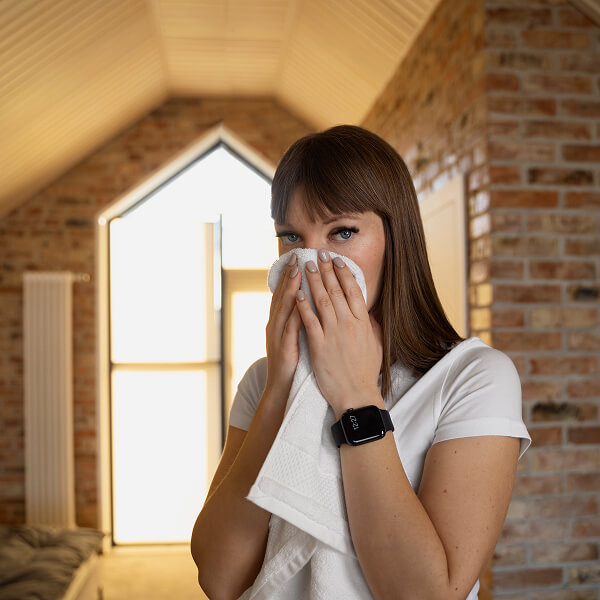
A persistent racoon smell inside or around your home is often misunderstood. This odour typically results from:
- Accumulated urine and feces in attics
- Food storage within nesting areas
- Decomposition of organic debris brought inside
- Marking behaviour during mating seasons
The presence of racoon smell usually indicates prolonged occupancy, not a temporary visit. This is a strong signal that immediate action is needed to prevent health risks and further damage.
How to get rid of raccoons without causing harm
Many homeowners search for how to get rid of raccoons using DIY methods, but this often leads to illegal, unsafe, or ineffective outcomes. Raccoons are protected wildlife in Quebec, and improper handling can result in fines or injury.
Professional animal relocation services ensure:
- Safe capture using approved humane techniques
- Stress-free handling for the animal
- Compliance with provincial wildlife regulations
- Prevention of orphaned offspring during nesting season
Attempting to remove raccoons without proper training can provoke aggressive behaviour and worsen infestations.
How to keep a raccoon away from your house using prevention techniques
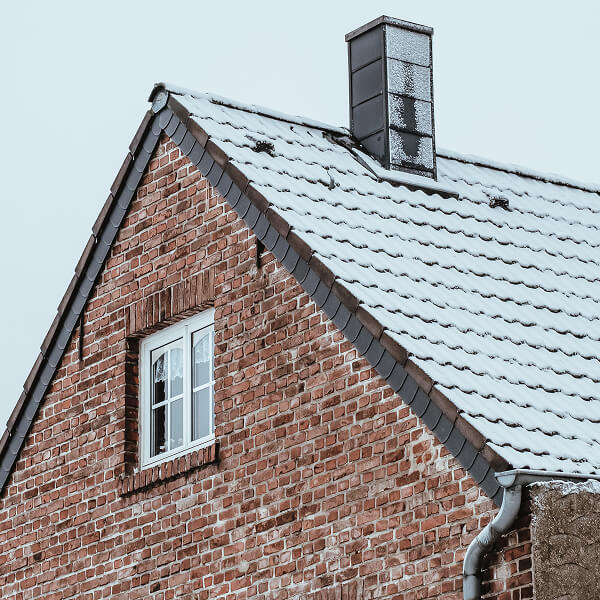
Effective prevention combines exclusion, habitat modification, and monitoring. The following measures are essential:
Securing access points
- Reinforce roof edges, soffits, and fascia boards
- Install chimney caps and vent covers
- Seal cracks larger than 7 cm with wildlife-grade materials
Eliminating attractants
- Use locking garbage bins
- Remove outdoor pet food overnight
- Clean grease residue from BBQs
- Store bird seed in sealed containers
Modifying the environment
- Trim tree branches at least 1.5 metres away from roofs
- Reduce clutter around foundations
- Improve outdoor lighting near entry points
These steps form the foundation of how to keep a raccoon away from your house, but they are rarely sufficient once an animal has already established territory.
When professional raccoon relocation becomes necessary
Knowing how to keep a raccoon away from your house also means recognizing when expert intervention is required. Professional relocation is essential when:
- Raccoons are nesting inside the structure
- Multiple entry points exist
- Odours persist despite cleaning
- Noise activity continues nightly
- Previous DIY attempts have failed
At this stage, only trained wildlife specialists can address both the animal presence and the structural vulnerabilities that allowed access.
Why humane animal relocation is the safest solution
Expert Extermination specializes in Animal Relocation Service in Montreal, Laval and surrounding areas, focusing on ecological balance and humane outcomes. Their approach includes:
- Strategic capture methods tailored to raccoon behaviour
- Safe relocation to approved natural habitats
- Structural exclusion to prevent re-entry
- Site assessments to eliminate future attractants
This process ensures long-term effectiveness while respecting wildlife welfare and environmental responsibility.
The risks of handling raccoon problems alone
Homeowners attempting how to keep a raccoon away from your house on their own face several risks:
- Exposure to parasites and zoonotic diseases
- Structural damage escalation
- Separation of mothers from offspring
- Legal consequences under wildlife protection laws
Professional relocation not only resolves the issue but protects your home, health, and peace of mind.
Long-term protection for your property
True success in how to keep a raccoon away from your house lies in combining expert relocation with preventive reinforcement. A professionally managed solution reduces the likelihood of repeat intrusions and protects your investment over time.
If you are dealing with raccoon activity and want a humane, effective, and legal solution, contact Expert Extermination to schedule a professional animal relocation consultation and restore peace to your home.