
The Quebec spider often gives people a start. You might spot it on the ceiling or behind a curtain. It’s most commonly seen in the summer and fall. Yet it’s almost always harmless. Better yet: it does you a favor. In fact, it eats a lot of harmful insects. The question remains: what kind of spider is it? Why does it come into your home? And when should you be concerned? Here’s a clear, no-panic guide. You’ll have a better understanding in five minutes.
The Quebec spider: friend or foe?
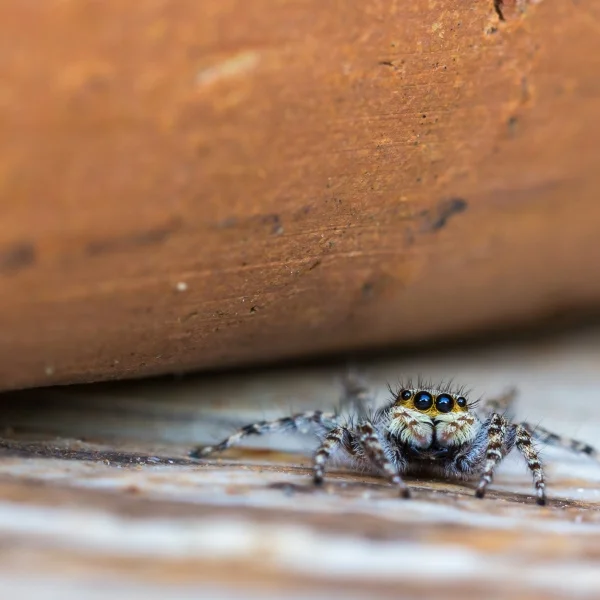
Let’s start with some good news. The Quebec spider isn’t dangerous. It doesn’t seek out contact. It flees as soon as it can. Deep down, it’s a discreet ally. It keeps flies and mosquitoes in check. It works for you, quietly. A single spider devours hundreds of them. That said, in large numbers, it can be a nuisance. This is especially true if you have arachnophobia. Plus, its webs can quickly make a room look messy. Should you squish it just because of that? Not really. As long as it’s alone, just release it outside. It’s a simple thing to do. You keep an ally without any hassle.
Spider Species in Quebec You Should Know
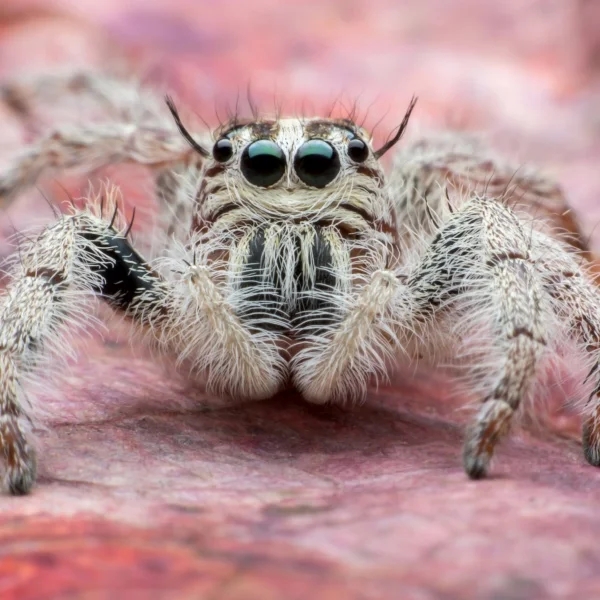
The region is home to hundreds of species. But few actually make their way into our homes. Most stay outside. They’re found in gardens and wooded areas. Moreover, knowing their names helps put things into perspective. In Quebec, almost all of them are harmless. Four families are the most common.
The Ones We Encounter Most Often
In your home, Quebec spiders belong to a few families. Here are the main ones:
- the house spider: brown and unobtrusive, it spins its web in corners;
- the wolf spider: stocky and fast, it hunts on the ground;
- the harvestman: with long, slender legs, it likes damp basements;
- the crab spider: small and colorful, it prefers the garden.
Species Considered Dangerous
What about the black widow? And the brown recluse? These species are very rare here. In fact, they’re virtually absent in our climate. So encountering a dangerous spider in Quebec is extremely rare. Most measure less than two centimeters. They have no reason to bite you. If you experience a painful bite, consult a healthcare professional. To remove it, a glass and a leaf will suffice. Then release it outside. The true black widow lives much further south. Not sure which species it is? Take a photo of it. In short, fear often outweighs the actual risk. Observe, but don’t panic.
Why the Quebec spider comes into your home
Why does it cross the threshold? Fall explains a lot. During this season, males are looking for a female. That’s when we notice them more. Otherwise, it wants three things. It likes warmth. Shade puts it at ease. Finally, it needs something to eat. A cluttered basement attracts it. So does a poorly sealed crack. Outdoor light attracts its prey. Minimize these factors. You’ll already be discouraging many visits. Regular cleaning also helps a lot. Fewer insects, fewer spiders. The math is simple.
Spider Infestation: When to Worry
A single spider is nothing to worry about. But certain signs indicate a full-blown infestation. Here are three:
- numerous webs that reappear quickly after cleaning;
- several silk cocoons, hidden in corners;
- repeated sightings, day and night.
At that point, the Quebec spider is no longer just passing through. A population is taking hold. And time is working against you. The longer you wait, the more the cocoons multiply. Acting early prevents a real chore. A damp basement is a hotspot. Keep a close eye on it. Check for webs from one week to the next. Also inspect the garage and storage areas.
Preventing the Quebec Spider Naturally
Prevention remains your best ally. A few simple steps make all the difference:
- declutter basements, garages, and storage areas;
- seal cracks, window screens, and door frames;
- remove webs and cocoons as soon as possible;
- install yellow light bulbs outdoors;
- and finally, monitor humidity levels.
Moisture attracts prey. And prey attracts the Quebec spider. These steps cost almost nothing. Yet they pay off quickly. Your home becomes less inviting. Repeat these steps every season.
When to Call in a Professional
Sometimes, the infestation worsens. Home remedies only work for so long. When faced with a persistent Quebec spider, call a specialist. A spider treatment targets the right areas—walls, foundations, and perimeters. Most importantly, it prevents them from returning. Our exterminators also handle localized spider infestations. They even provide comprehensive pest management. This way, you can enjoy a peaceful home again. A certified team ensures products are applied at the correct dosage. The results last longer. And your family stays safe.
A family-owned business since 1986, Expert Extermination serves Montreal and Laval. Our products are certified by Health Canada. Every service call begins with an inspection. The goal is simple: to pinpoint the source. This way, the results truly last. Most importantly, you’ll avoid fall relapses.
Take back control of your home
Overrun with webs? Have you seen cocoons? Above all, don’t wait. Contact our exterminators today. Every day counts. You’ll receive a quick inspection and a clear plan.
- Phone: 514-279-4444
- Address: 5790 Christophe-Colomb Avenue, Montreal, Quebec H2S 2G1
- Emergency: 7 days a week, 8 a.m. to 10 p.m.
Finally, enjoy a healthy home. Leave the Quebec spider to our specialists.



 imunify-bot-check