
A wasp sting is rarely part of the plan for a beautiful summer day. One moment you’re enjoying a meal on the patio; the next, a sharp pain reminds you that you’re not alone. In Quebec, wasps are among the most common stinging insects, and every warm season brings its share of mishaps—especially in the fall, when these insects become more aggressive due to a lack of food. The good news: in the vast majority of cases, the reaction is mild. Still, it’s important to know what to look for, what steps to take, and when to be concerned.
Wasp Stings: What Happens Under the Skin
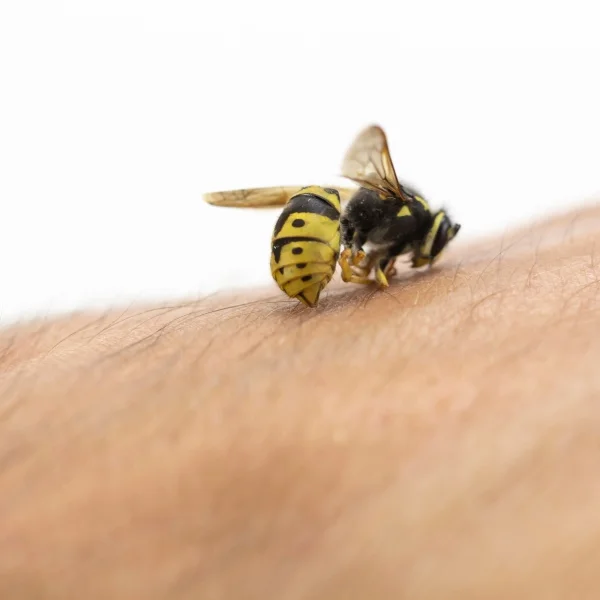
Unlike bees, wasps do not leave their stingers in the skin. It can therefore sting several times in a row if it feels threatened, near its nest for example. When a wasp stings, the insect injects venom that almost instantly triggers a burning sensation, followed by redness and slight swelling.
This is the classic scenario: localized pain, temporary itching, then a return to normal within a few hours. A cold compress wrapped in a thin cloth effectively soothes the affected area. Understanding this process helps put an ordinary wasp sting into perspective and, by contrast, identify signs that are out of the ordinary.
Recognizing a Wasp Sting in Seconds

Knowing how to recognize a wasp sting allows you to react quickly and avoid unnecessary panic. The entry point of the venom often looks like a small, red, raised area, sometimes with a paler spot in the center. The pain is immediate and quite sharp, accompanied by localized warmth and itching.
Wasp or bee: spotting the difference
Identifying the culprit can sometimes change the course of action. A few simple clues:
- The wasp is yellow and black striped, with a slender, smooth body; it stings multiple times and does not lose its stinger.
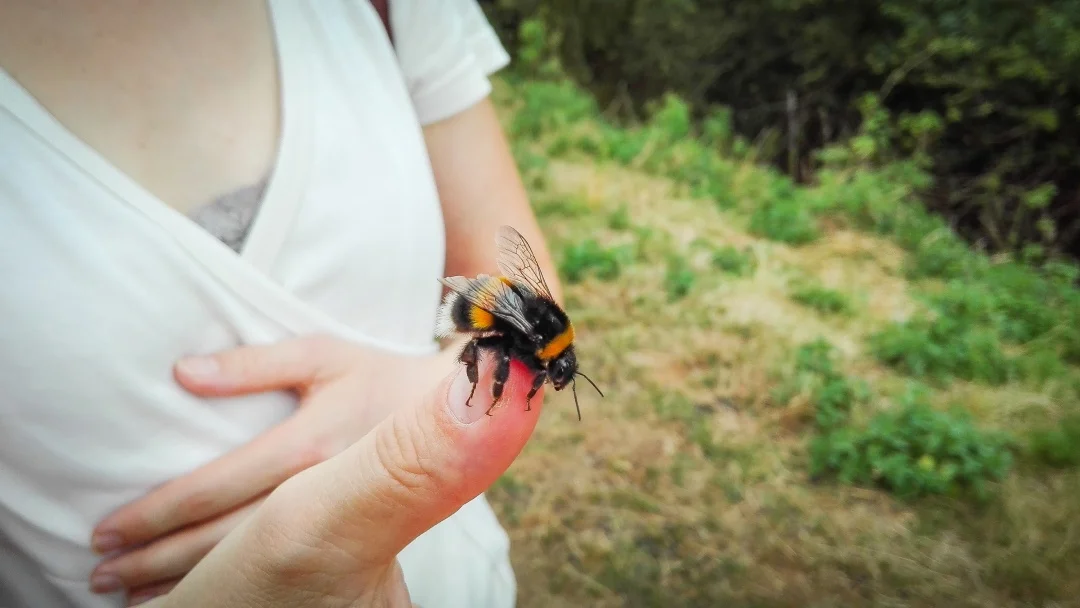
- The bee is stockier and hairy; it leaves its stinger in the skin and dies after stinging.
- What to do: If a stinger is still embedded, remove it without squeezing by scraping the skin with the edge of a stiff card.
Swelling the Next Day: Should You Be Concerned?
When they wake up, many people type “wasp sting swelling the next day” into Google, surprised to see the area more swollen than the day before. Rest assured: this is often normal. It’s known as a marked local reaction—swelling and redness that worsen over the 12 to 24 hours following the wasp sting. It can sometimes spread to an entire limb before subsiding within 5 to 10 days.
Although this reaction may look dramatic, it does not necessarily indicate a severe allergy. Oral antihistamines and, if needed, a prescribed corticosteroid usually relieve the symptoms. To distinguish a normal local reaction from a true allergy, consulting a healthcare professional remains the most reliable approach. If in doubt, a pharmacist can quickly guide you.
When to Seek Emergency Care After a Wasp Sting
A very small percentage of the population has a severe reaction to the venom. The real danger is anaphylaxis: a systemic reaction that can occur within minutes. Call 911 immediately, and use an epinephrine auto-injector if you have one, if you experience any of the following symptoms:
- swelling of the face, lips, tongue, or throat;
- difficulty breathing, wheezing, or chest tightness;
- dizziness, nausea, general malaise, or loss of consciousness;
- hives that spread well beyond the sting site.
A wasp sting in the mouth or throat, or a large number of simultaneous stings, also warrants immediate medical attention, even in the absence of a known allergy.
Avoiding Wasp Stings in Daily Life
The best wasp sting is the one you never get. A few habits can significantly reduce the risk during the warm season:
- cover food and sugary drinks when eating outdoors;
- empty trash cans regularly and seal them tightly;
- avoid strong perfumes and brightly colored clothing;
- do not walk barefoot on the grass or near a body of water;
- inspect walls, eaves, and sheds to spot any emerging nests.
Repeated stings? Check for a nest
If stings are becoming more frequent around your home, the problem isn’t something you can fix with a first-aid kit—there’s likely a nest hiding nearby. However, trying to destroy a nest yourself exposes you to multiple stings, which can sometimes be dangerous. That’s exactly the job for a well-equipped team. Our specialists in wasp extermination in Montreal locate the nest, safely neutralize it, and prevent future infestations.
A family-owned business operating since 1986, Expert Extermination serves Montreal, Laval, and the surrounding areas using Health Canada-certified products. Discover our full range of pest management services to provide long-term protection for your property against pests.
Take Back Control of Your Patio
Are you suffering from repeated stings or have you spotted a nest? Don’t take any chances. Contact our exterminators today for a quick and safe response.
- Phone: 514-279-4444
- Address: 5790 Christophe-Colomb Avenue, Montreal, Quebec H2S 2G1
- Emergencies: 7 days a week, 8 a.m. to 10 p.m.
Enjoy the summer with peace of mind: leave the wasps to our experts.



 imunify-bot-check